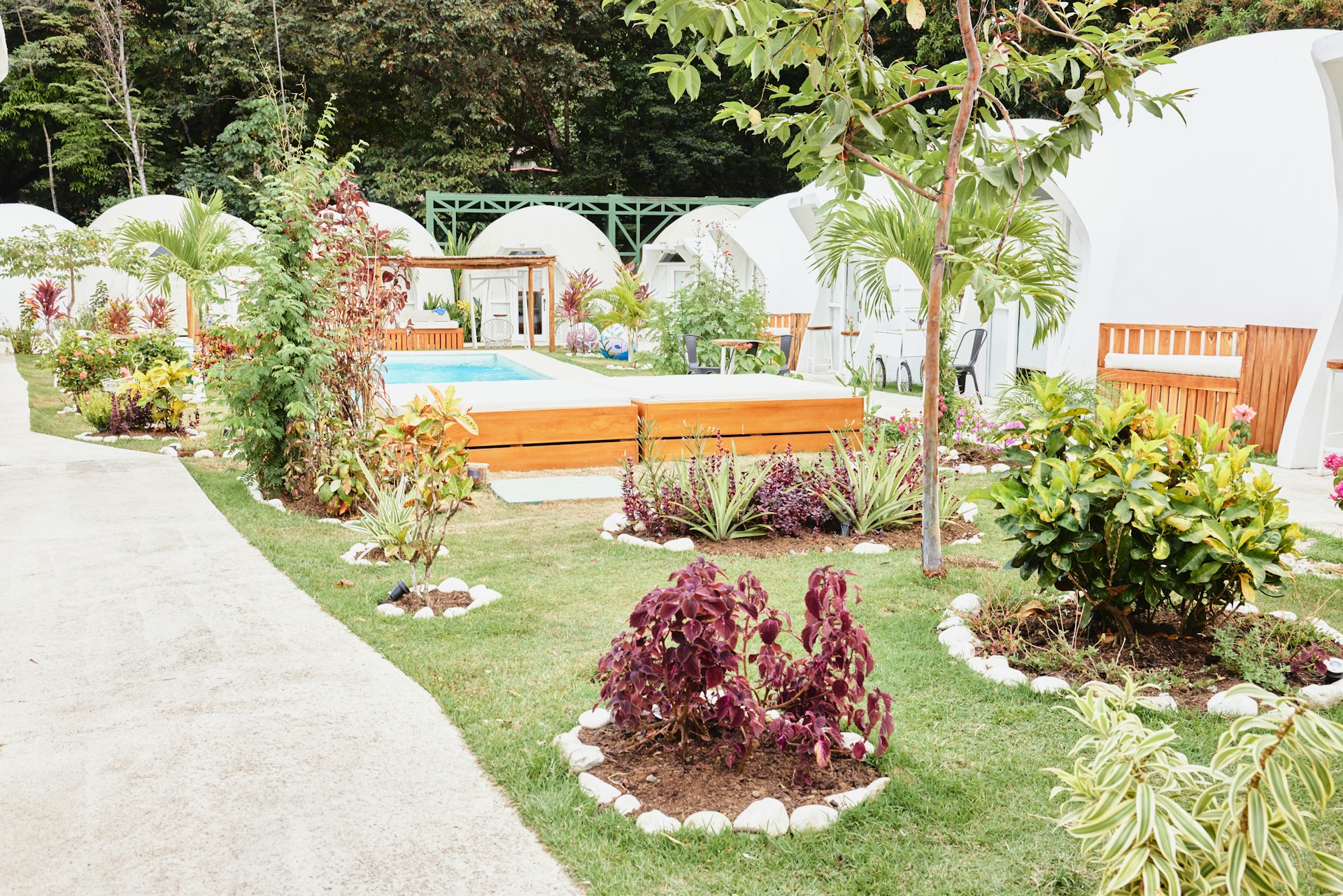
Outdoor spaces shape how people feel, think, and interact with their surroundings. A well-designed landscape can calm the mind, boost energy, and create balance, while a poorly planned one can feel overwhelming. This connection between environment and emotion is rooted in both psychology and design.
With her background in engineering and passion for landscape design, Jennifer Miree Cope approaches outdoor spaces with intention. Her work shows how thoughtful choices can transform not just how a yard looks, but how it feels to spend time there.
The Link Between Environment and Emotion
People naturally respond to their surroundings. Open, uncluttered spaces promote calm, while crowded layouts can feel stressful. Elements like greenery, water, and soft textures support relaxation and mental clarity. As Jennifer Miree Cope explains, “A well-designed outdoor space should make you feel at ease the moment you step into it.” Understanding these responses allows homeowners to design with both beauty and well-being in mind.
Creating Flow and Harmony
Flow is essential in landscape design. Pathways, plant placement, and transitions guide movement and shape the experience of a space. Smooth, natural layouts feel intuitive, while cluttered designs can disrupt the atmosphere. Curved walkways, layered plantings, and clear focal points create a sense of rhythm and cohesion. Thoughtful design encourages movement while maintaining a calm, organized feel.
Color, Texture, and Mood
Color and texture influence emotional response. Soft greens and blues create a calming effect, while brighter tones add energy. Fine foliage brings lightness, while structured plants add depth and stability. A balanced mix keeps the landscape visually engaging without overwhelming the senses. Seasonal variation adds interest while maintaining harmony.
The Role of Natural Elements
Features like water, stone, and shade enhance both function and atmosphere. The sound of water promotes relaxation, while shaded areas provide comfort and retreat. Even simple additions, such as a bench under a tree, can create a space for reflection. Jennifer Miree Cope emphasizes intention in every choice. “It’s not about adding more, it’s about adding with intention. Each feature should contribute to how the space feels and functions.”
Designing for Connection and Restoration
Outdoor spaces should support both activity and rest. Open areas encourage gathering, while quieter corners offer privacy and reflection. A balanced design allows homeowners to shift between energy and relaxation depending on their needs.
Simplicity Creates Calm
Simplicity is key to a peaceful landscape. Clean lines, defined spaces, and a focused plant palette reduce visual clutter and make a yard easier to enjoy and maintain. Structured design paired with natural elements creates a space that feels both intentional and inviting.
Final Takeaway for Homeowners
Landscape design is more than visual — it shapes daily experience. By focusing on flow, color, texture, and natural elements, homeowners can create outdoor spaces that support both well-being and beauty. A thoughtfully designed yard becomes a place to recharge, connect, and find balance in everyday life.
About Jennifer Miree Cope
Jennifer Miree Cope graduated from Vanderbilt University in 1985 with a degree in Electrical Engineering. Renowned for her passion and talent as a landscape designer, Jennifer’s associates often praise her for being organized and thorough. When not hiking in the mountains of North Carolina, attending University of Alabama sporting events, or exercising, Jennifer is often volunteering with charitable initiatives supported by Independent Presbyterian Church in Birmingham, Alabama, including STAIR tutoring, Holiday House, and the Children’s Fresh Air Farm.